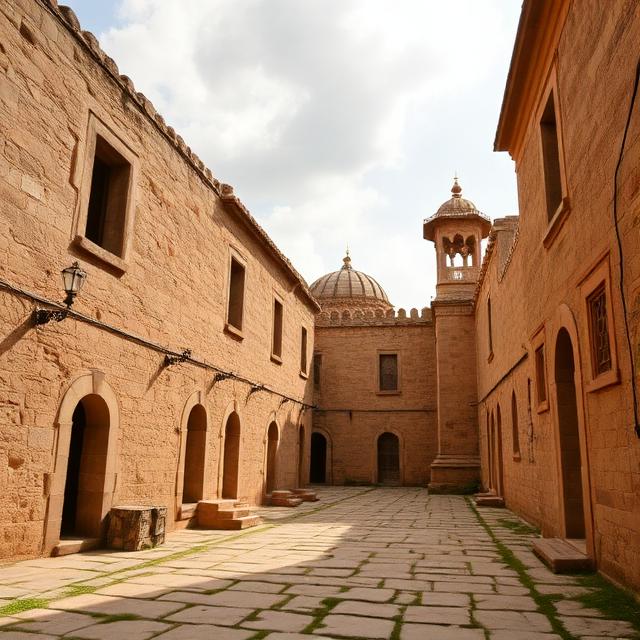

Culture Knowledge History Understanding the Threads That Shape Humanity
Human civilization is a tapestry woven from countless stories—rituals, beliefs, inventions, and experiences. To understand who we are today, we must explore the intertwined realms of culture, knowledge, and history. These three pillars not only shape societies but also guide the evolution of human identity.
1. Culture: The Living Heart of Humanity
Culture is the rhythm of everyday life. It reveals how people express themselves, build communities, and give meaning to the world.
It includes:
-
Language – the bridge that connects thoughts and emotions
-
Traditions and rituals – celebrations, ceremonies, festivals
-
Art and creativity – music, dance, craftsmanship, literature
-
Values and beliefs – what societies consider right, sacred, or beautiful
Culture evolves with every generation—absorbing influences from globalization, technology, and migration—yet it remains the symbolic identity of a people.
To know a culture is to know its soul.
2. Knowledge: The Power That Transforms Civilizations
Knowledge is humanity’s greatest treasure. From ancient observations of the stars to the digital revolution, our understanding of the world has shaped our ability to survive, innovate, and thrive.
Sources of human knowledge
-
Oral traditions: stories passed down through generations
-
Written records: manuscripts, inscriptions, scrolls
-
Scientific discovery: experiments, observation, evidence
-
Cultural exchange: trade, travel, migration, communication
Knowledge is cumulative. Every generation builds on the ideas of those before, creating new technologies, philosophies, and worldviews.
3. History: The Mirror of Our Journey
History records humanity’s triumphs, struggles, mistakes, and breakthroughs. It helps us understand:
-
How civilizations emerged
-
Why societies rose and fell
-
The origins of conflicts and alliances
-
The roots of cultural diversity
-
The stories of leaders, thinkers, artists, and ordinary people
History teaches responsibility. It reminds us that every action shapes the future.
Without history, we lose our compass.
4. How Culture, Knowledge, and History Connect
These three elements are not separate—they create a cycle:
-
History shapes culture through wars, migrations, discoveries.
-
Culture preserves knowledge through traditions, language, and education.
-
Knowledge transforms history through inventions, philosophies, and social reforms.
Together, they form the identity of nations and the collective memory of humanity.
5. Why Understanding These Matters Today
In a globalized world, appreciating culture, knowledge, and history is essential because it:
-
Builds tolerance and reduces prejudice
-
Encourages global collaboration
-
Helps us learn from past mistakes
-
Strengthens cultural identity
-
Inspires innovation rooted in traditional wisdom
To know the world, we must first understand the forces that shaped it.
Conclusion
The story of humanity is vast and diverse. Culture gives us expression, knowledge gives us power, and history gives us perspective. When we explore these deeply, we connect not only with our ancestors—but with each other.